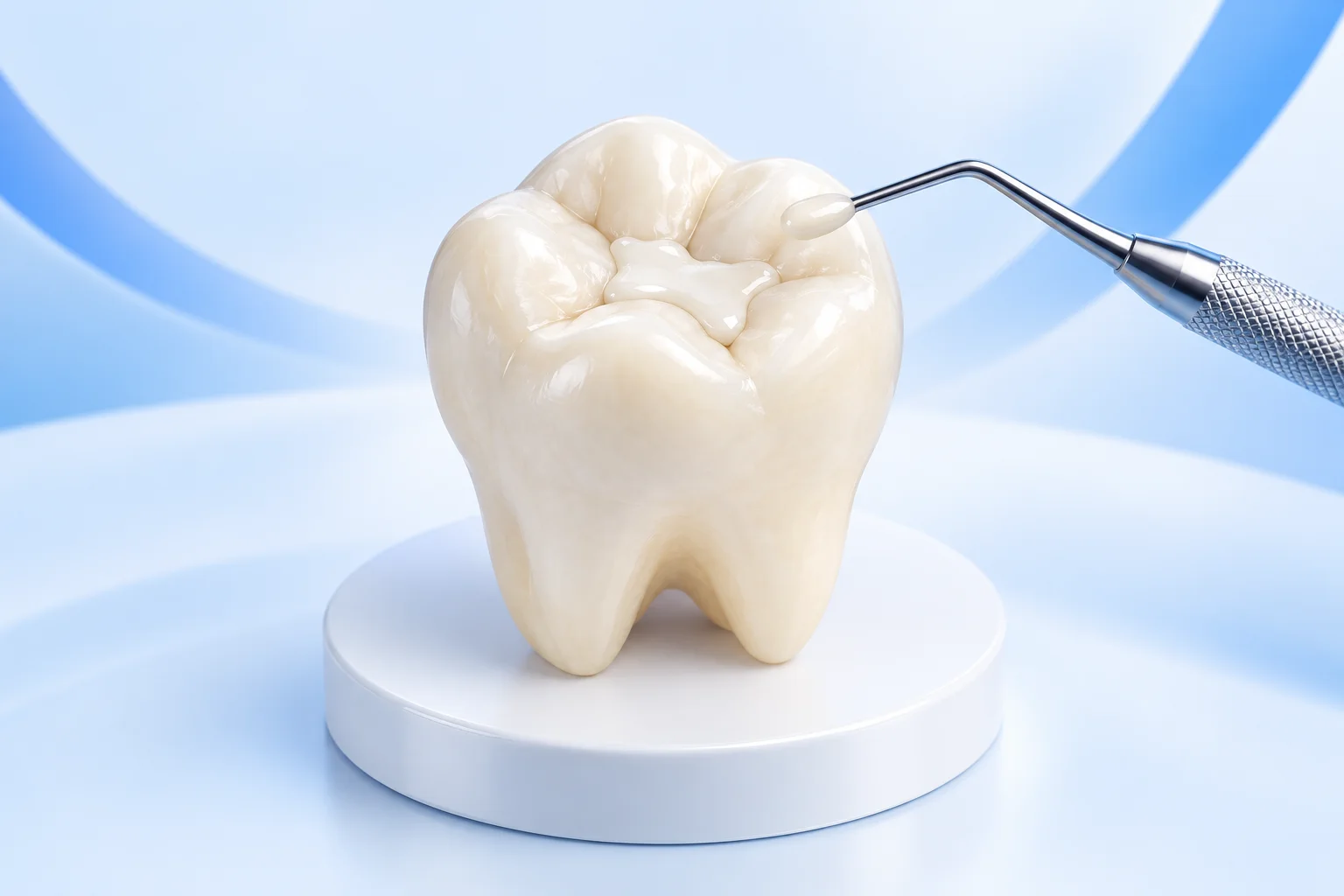
Why a cavity needs assessment
Bacteria in plaque produce acids that damage the outer tooth surface. A cavity may develop over time, including around an older filling. A dentist checks the depth and extent of damage before recommending treatment.
Choosing a filling material
Options include tooth-coloured composite and other restorative materials. Ask how the position of the cavity, chewing forces, appearance and your health history affect the choice. A larger repair may need a different restoration.
What to expect at your visit
The dentist assesses the tooth, prepares the damaged area and places the chosen material. Before leaving, ask when you can eat normally and what to do if your bite feels uncomfortable.
Looking after a filled tooth
A filling does not prevent new decay. Brush twice daily with fluoride toothpaste, clean between teeth and limit frequent sugary snacks. Continue dental check-ups so the tooth and restoration can be assessed.
Common questions
Does a filling last forever?
Restorations need monitoring and may require repair or replacement. Ask about the expected maintenance for your chosen material.
Can a photo show how deep a cavity is?
A photo can help describe the concern, but it cannot replace an examination or any imaging the dentist needs.
How online consultation can help
Use our consultation form to describe your concern, share relevant photographs and upload an optional report. After payment verification, Dr. Hiren Tandel reviews your request and contacts you about next steps. In-person examination may be needed before diagnosis or treatment planning.
This page provides general education, not a diagnosis or personalised treatment plan. For difficulty breathing or swallowing, seek urgent medical care instead of waiting for an online reply.
Further reading
Published by Arpan Virtual Dental Care · Updated 19 September 2026. For advice about your own teeth, discuss your symptoms and treatment options with a dentist.