When to seek an assessment
Crowded or protruding teeth, large gaps and the way the jaws meet may affect cleaning or chewing. Both younger people and adults can be assessed. The appropriate timing and treatment depend on individual findings.
What an assessment includes
An orthodontic assessment examines the teeth and jaws and may use photographs, scans or X-rays. Bring details of earlier orthodontic treatment and explain what you would like to change.
Treatment is a continuing process
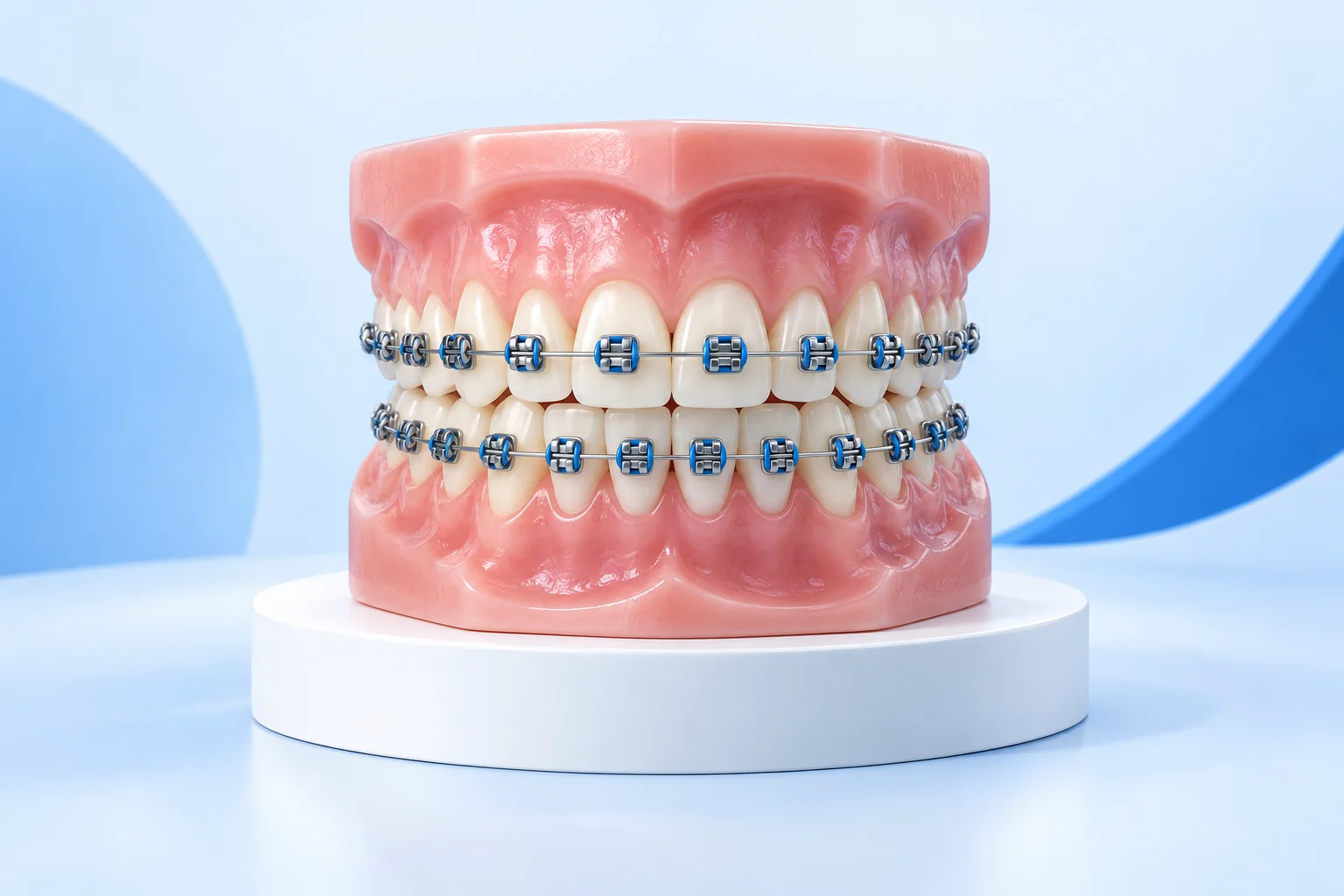
Braces and other appliances need monitoring rather than a single fitting appointment. Ask about appointment frequency, cleaning, eating and what to do if an appliance breaks. Retainers help maintain the result after active treatment.
Choosing an informed next step
Ask who will provide treatment and confirm their relevant qualifications. Compare suitable options, expected duration, limitations and costs. An online discussion can help organise your questions but does not establish a final orthodontic plan.
Common questions
Are braces only for children?
No. Adults can also receive orthodontic treatment when it is appropriate following assessment.
Are clear aligners suitable for every bite?
No. Suitability depends on the movements needed and the clinical assessment. Some concerns require a different approach.
How online consultation can help
Use our consultation form to describe your concern, share relevant photographs and upload an optional report. After payment verification, Dr. Hiren Tandel reviews your request and contacts you about next steps. In-person examination may be needed before diagnosis or treatment planning.
This page provides general education, not a diagnosis or personalised treatment plan. For difficulty breathing or swallowing, seek urgent medical care instead of waiting for an online reply.
Further reading
Published by Arpan Virtual Dental Care · Updated 19 September 2026. For advice about your own teeth, discuss your symptoms and treatment options with a dentist.